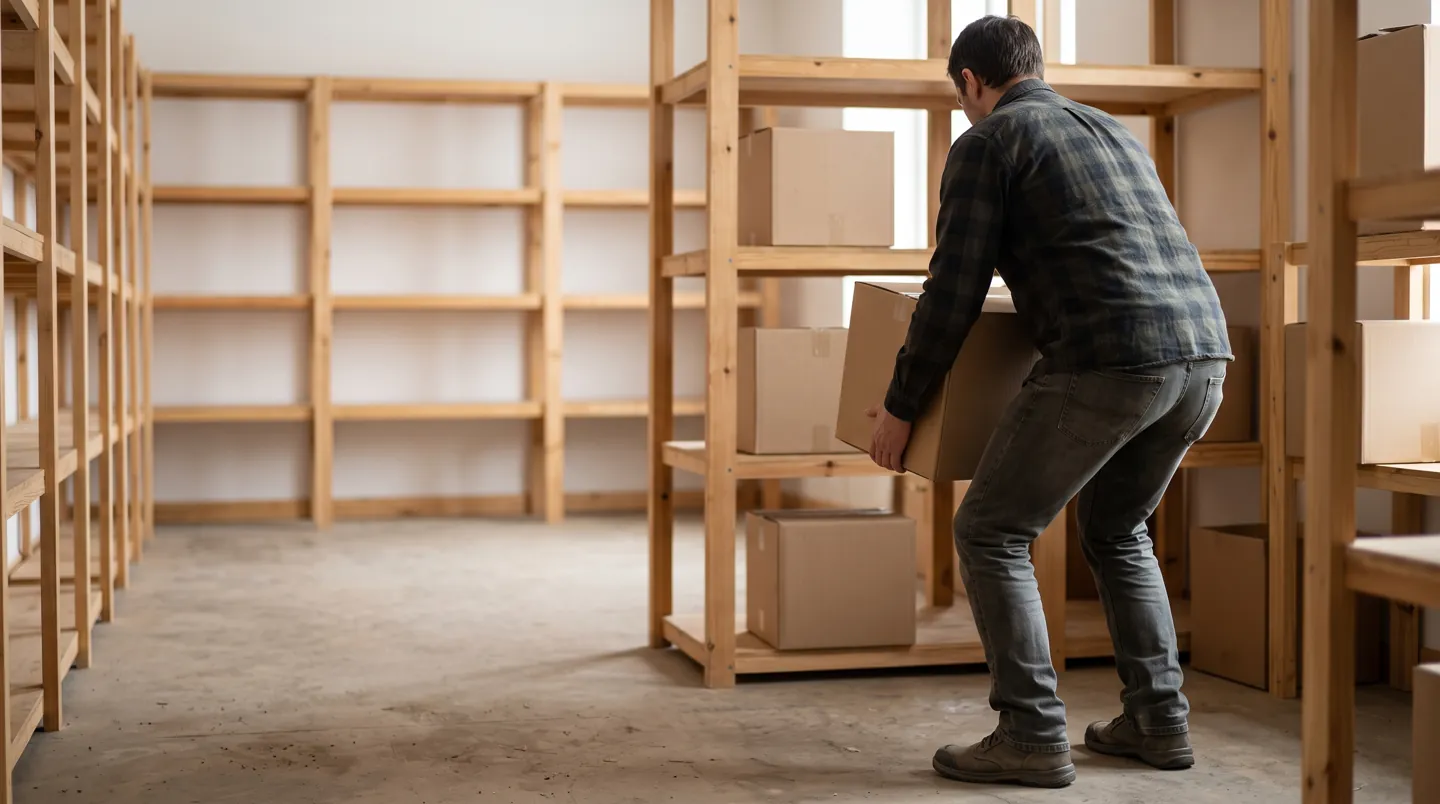
The same box gets heavier as it moves away from your waist.
UK law sets no single weight limit for lifting at work. Instead the Health and Safety Executive gives a risk filter: guideline weights that shrink when the load is lifted from the floor, above the shoulder or at arm's length.
AI-generated image, not a photograph of a real person or place.
Height changes the number
Reach halves it
Aids beat technique
A lift is a task, not a weight
THE SHORT ANSWER
There is no single safe weight.
The guidelines are a filter, not a limit. They flag the lifting tasks that need a closer look.
THE WEIGHT GUIDE
Highest at the waist
Lifting close to the body between knuckle and elbow height, the filter is 25 kg for men and 16 kg for women. At the floor or above the shoulder it falls to 10 kg and 7 kg.
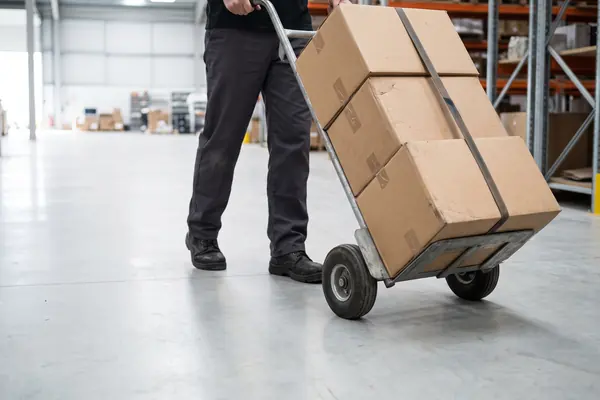
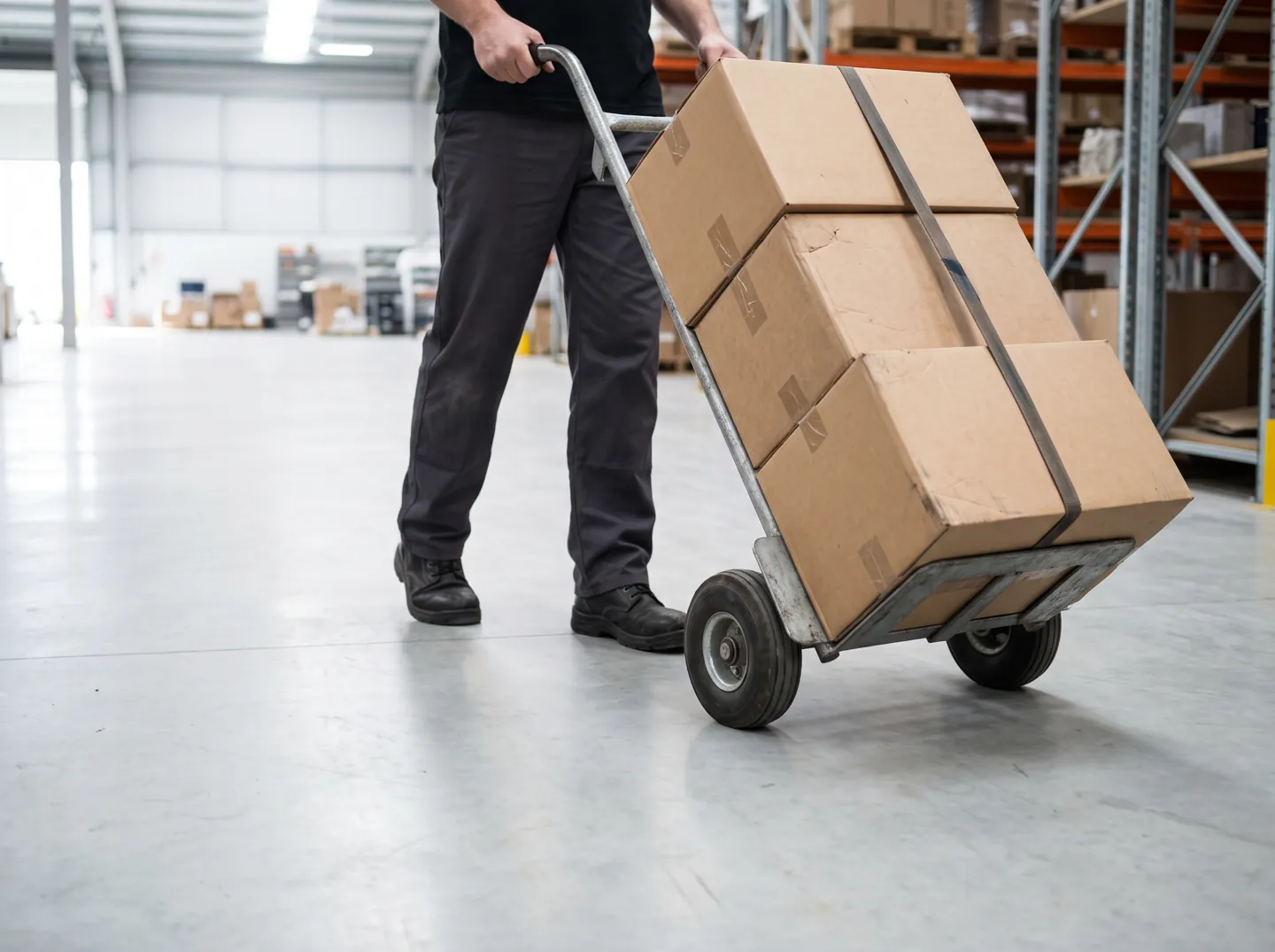
The law's first step is to avoid hazardous handling where reasonably practicable: deliver goods where they are used, or use a trolley, hoist or conveyor.
General information only, not legal advice. For advice on your own situation, speak to a qualified lawyer or a free advice service.
THE LIFTING FILTER
Where do your hands go?
Pick the height zone your hands pass through. The figures are HSE's guideline weights for an easy-to-grip load held close to the body, for men and women. The bar shows how much the zone allows.
With arms extended the figures roughly halve. If the hands pass through more than one zone, use the smallest figure. These are not safe limits for any individual.
TWO NUMBERS WORTH KNOWING
Handling tasks add up.
How many workers report work-related musculoskeletal disorders, and the time lost.
511,000
Workers with a work-related musculoskeletal disorder, 2024/25
HSE's Labour Force Survey estimate covers new and long-standing cases in Great Britain. The back was mainly affected in 221,000 of them, the upper limbs or neck in 211,000.
WORKERS AFFECTED · HSE
7.1m days
Working days lost to these disorders, 2024/25
Musculoskeletal disorders made up 27% of work-related ill health cases and 20% of the working days lost to it. Manual handling is among the main reported causes.
DAYS LOST · HSE
In HSE's figures the main self-reported causes are manual handling, awkward or tiring positions and repetitive or keyboard work. In cases assessed by doctors, heavy lifting was the predominant task.
FOUR HABITS FROM HSE
Plan it, hug it, turn with your feet.
HSE says good technique adds to, but never replaces, better tasks, loads and lifting aids. These are its basic principles for a two-handed lift in front of the body.
Think before you lift
Where is it going? Clear the route, use an aid if you can, and for a floor-to-shoulder lift rest it midway on a bench to change grip.
Keep it close
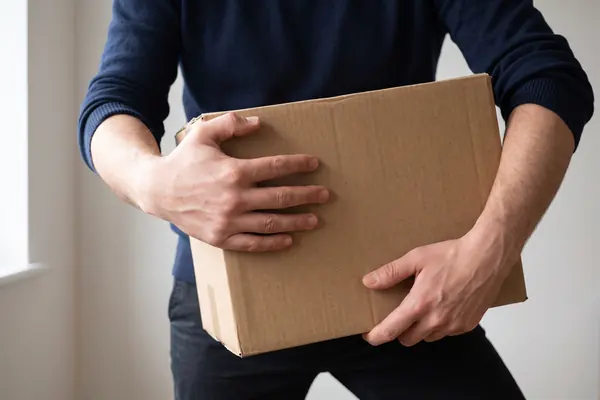
Hold the load at your waist as long as you can, heaviest side towards you. Slide it closer before lifting if you cannot reach it.
Bend a little, not a lot
Slightly bend back, hips and knees rather than fully stooping or deep squatting, and don't let your back flex further as you rise.
Don't twist
Keep shoulders level and facing the same way as your hips; turn by moving your feet. Put the load down first, then slide it into place.
AI-generated image, not a photograph of a real person or place.AI-generated image, not a photograph of a real person or place.
THE ORDER OF STEPS
Avoid, assess, then reduce.
The Manual Handling Operations Regulations 1992 set a clear order for employers: avoid hazardous manual handling so far as reasonably practicable, assess the risk of any that cannot be avoided, then reduce that risk as low as reasonably practicable.
HSE's filter is the first, simple step. A task needs a closer look with tools such as the MAC tool if the load is heavier than the filter, involves twisting, is lifted more than once every two minutes, is handled by a team or is carried more than about 10 metres without a rest.
Questions
Questions people ask
Is 25 kg the legal limit for lifting at work?
No. The Manual Handling Regulations set no specific weight limits. HSE's figures are guidelines to pick out low-risk tasks; working outside them is likely to increase the risk of injury.
Why are the figures lower for women?
HSE says the guidelines come from lifting capacity data that show differences between men and women across the population, not between individuals.
Do the guidelines apply to carrying?
Yes, if the load is held against the body, carried no more than about 10 metres without resting, does not block your view or normal walking, and your hands stay between knuckle and about elbow height.
What about pushing a trolley?
HSE's push-pull filter says a task is likely to be low risk if you push with your hands, stay upright and untwisted, keep hands between hip and shoulder height and move no more than about 20 metres without a break.
What if I am sitting down?
For two-handed lifting while seated, with hands in the easy reach zone, HSE's filter values are 5 kg for men and 3 kg for women. Anything beyond that zone needs a full assessment.